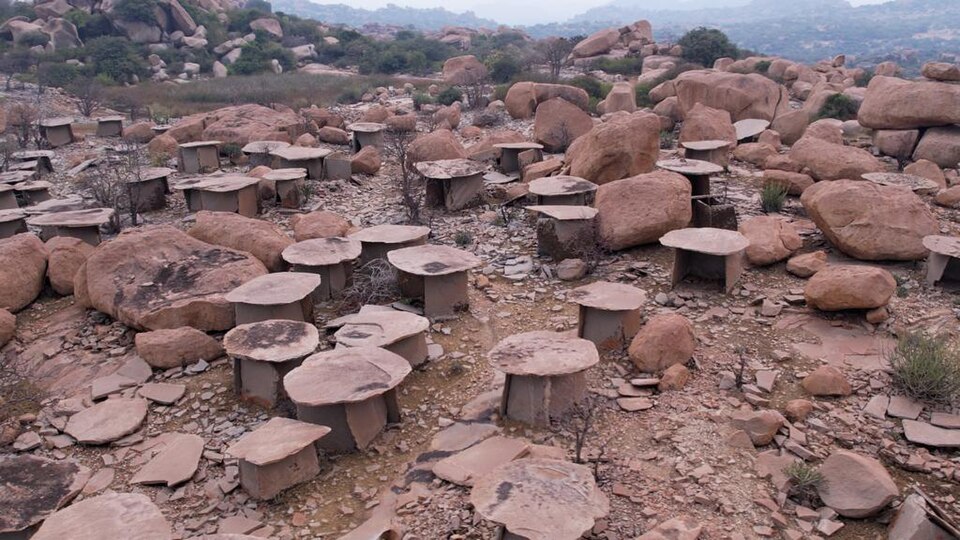
Discover Hirebenakal, the “Stonehenge of South India” – Karnataka’s official Seven Wonder featuring 3,000-year-old prehistoric burial monuments like Britain’s Stonehenge and Egypt’s Pyramids. This magnificent megalithic site showcases ancient dolmens and captivating cave paintings atop Moryara Hill. A trekking adventure and absolute must-visit destination for archaeological enthusiasts seeking India’s prehistoric treasures.
Hidden away in the rugged landscape of Karnataka lies one of India’s most extraordinary prehistoric treasures – Hirebenakal, often called the “Stonehenge of South India.” This magnificent 3,000-year-old megalithic site stands as one of Karnataka’s Seven Wonders, yet remains surprisingly unknown even to many locals. Prepare to step back in time and witness an archaeological marvel that rivals the world’s most famous ancient monuments.
The Significance of Hirebenakal
Hirebenakal represents the largest necropolis among over 2,000 megalithic sites discovered across South India, making it an unparalleled window into our prehistoric past. Dating back 3,000 to 4,000 years, this ancient settlement on Moryara Hill showcases hundreds of carefully constructed dolmens – massive stone tombs that served as eternal resting places for the dead.
Like England’s Stonehenge, Egypt’s Pyramids, and Bahrain’s Dilmun burial mounds, these stone monuments demonstrate the sophisticated engineering capabilities of our ancestors. The dolmens range dramatically in size, from modest one-foot structures to towering ten-foot tomb slabs, each a testament to the reverence ancient communities held for their departed. What makes these structures truly remarkable is their resilience – having withstood millennia of natural forces, they stand today as unshakeable sentinels of history.
The site also features fascinating cave paintings that offer glimpses into the artistic expression and daily life of prehistoric inhabitants. Together, the dolmens and rock art create a comprehensive archaeological treasure that provides invaluable insights into South India’s ancient civilizations.
Best Time to Visit
The ideal time to explore Hirebenakal is during the cooler months from October to March, when Karnataka’s weather is most pleasant for outdoor activities and trekking. The monsoon season (June to September) should be avoided as the 2-kilometer trek to the site can become challenging and potentially unsafe on wet, rocky terrain. Early morning visits are particularly recommended to avoid the intense midday sun and to experience the site in the golden light of dawn, which enhances the mystical atmosphere of these ancient stones.
How to Reach Hirebenakal
By Air: The nearest airport is Hubli Airport (approximately 120 km away). From Hubli, hire a taxi or take a bus to Gangavathi.
By Train: Gangavathi Railway Station is the closest railhead, well-connected to major cities including Bangalore, Hubli, and Hyderabad.
By Road: From Gangavathi, Hirebenakal village is just 10 kilometers away. Regular bus services and auto-rickshaws are available. The village is accessible by road from major Karnataka cities:
- From Bangalore: 350 km (approximately 6-7 hours)
- From Hubli: 120 km (approximately 3 hours)
- From Hampi: 45 km (approximately 1.5 hours)
Local Transport and Access
Once in Hirebenakal village, the real adventure begins. The megalithic site requires a challenging 2-kilometer trek up Moryara Hill. This moderately difficult hike takes you through rocky terrain and requires good physical fitness and appropriate footwear. Local guides are available in the village and are highly recommended, both for navigation and to gain deeper insights into the site’s historical significance.
Auto-rickshaws and local jeeps can take you to the base of the hill, but the final ascent must be completed on foot. The trek typically takes 45 minutes to an hour, depending on your pace and fitness level.
Tourist Facilities: A Raw, Authentic Experience
Important Note for Travelers: Hirebenakal offers a raw, unpolished archaeological experience with minimal tourist infrastructure. This remoteness is both its charm and its challenge.
Accommodation: Tourist facilities are extremely limited in Hirebenakal village itself. Visitors typically stay in Gangavathi, which offers basic lodging options including a few budget hotels and guesthouses. For more comfortable accommodation, consider staying in Hampi (45 km away), which provides better hotel options and is itself a UNESCO World Heritage site worth exploring.
Food: Local eateries in the village serve simple, traditional Karnataka meals. It’s advisable to carry water and snacks for the trek. Gangavathi has more dining options, including restaurants serving South Indian cuisine.
Facilities: Basic amenities are available in the village, but don’t expect modern tourist conveniences. Carry essentials like water, sun protection, first aid supplies, and a flashlight. Mobile network coverage can be patchy in the area.
What to Bring: Sturdy trekking shoes, plenty of water, hat and sunscreen, camera, and a sense of adventure. The site has no entry fee, but consider carrying some cash for local guides and refreshments.
Planning Your Visit
Hirebenakal is perfect for archaeology enthusiasts, history buffs, adventure seekers, and anyone fascinated by India’s ancient heritage. The site offers an unparalleled opportunity to connect with prehistoric India in an authentic, undisturbed setting. While the lack of tourist facilities might deter some, those who make the journey are rewarded with an intimate encounter with one of South India’s most significant archaeological treasures.
Allow a full day for the trip from Gangavathi, including travel time, the trek, and exploration of the site. The experience is best combined with visits to nearby Hampi, creating a comprehensive historical journey through Karnataka’s rich ancient heritage.
Hirebenakal stands as proof that India’s archaeological wonders extend far beyond the well-known monuments, waiting to be discovered by intrepid travelers willing to venture off the beaten path.